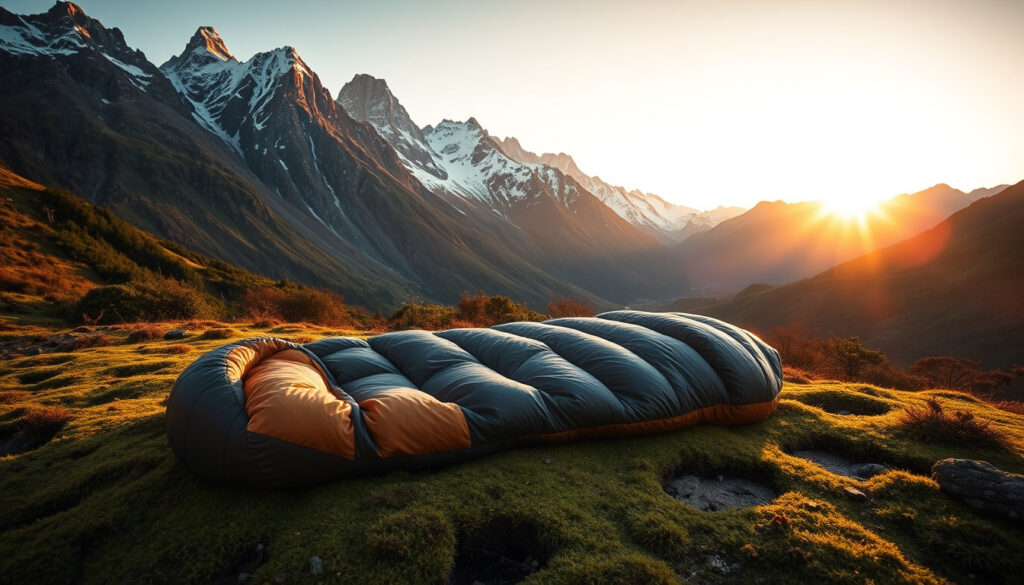
Sleeping Bag New Zealand – Best 2025 Picks for Trampers
Selecting the right sleeping bag ranks among the most consequential decisions for anyone planning to tramp or camp across New Zealand’s diverse landscapes. From the damp coastal routes of the South Island to the exposed alpine passes of the North, the difference between a restful night and a cold, sleepless ordeal often comes down to a handful of critical features: temperature rating, insulation type, weight, and packability. For 2025, the New Zealand outdoor market offers more options than ever, yet navigating brands, retail channels, and technical specifications can quickly become overwhelming for both first-time campers and experienced trampers alike.
This guide cuts through the noise to deliver a comprehensive, evidence-based overview of the best sleeping bags currently available in New Zealand. Whether tackling the Milford Track in winter, enjoying a summer camp at Lake Taupo, or preparing a multiday backcountry expedition into the Southern Alps, the recommendations here are grounded in verified manufacturer specifications, established ISO testing standards, and real-world performance data from trusted outdoor retailers and gear testing platforms. The goal is simple: equip readers with the knowledge to make an informed purchase that matches their specific conditions, budget, and performance requirements.
What to Look For: Key Criteria for NZ Sleeping Bags
Before diving into specific models and brands, understanding the fundamental criteria that define sleeping bag performance in New Zealand conditions proves essential. The local environment presents unique challenges that set it apart from overseas markets, particularly the combination of high moisture levels, rapid weather shifts, and the need to balance pack weight against warmth retention for multi-day expeditions.
- ISO 23537 ratings provide the most reliable temperature benchmarks for New Zealand conditions, especially during cold snaps in alpine and high-country regions.
- Fill power matters: a 700+ fill power down bag delivers significantly more warmth per gram, critical when every kilogram impacts stamina on steep terrain.
- Mummy-shaped bags excel in New Zealand due to superior heat retention and efficient packability for multi-day tramps through variable weather.
- Water resistance deserves particular attention in New Zealand, where persistent rain and high humidity can compromise down insulation if not properly protected.
- Retailer expertise varies considerably—Torpedo7, Bivouac, Kathmandu, and specialist outdoor retailers offer different levels of technical guidance and sizing options.
- Layering potential through compatible sleeping bag liners extends versatility across seasons, reducing the need for multiple dedicated bags.
- Torso length matters: inaccurate sizing reduces thermal efficiency, particularly for longer bags where excess material creates cold spots.
| Brand | Model | Temp Rating | Weight | Price (NZD) | Retailers |
|---|---|---|---|---|---|
| Sea to Summit | Spark 15 | -9°C Limit | 0.68 kg | $520–$580 | Torpedo7, Bivouac |
| Bushbuck | Illumine | ~5°C Comfort | 1.1 kg | $250–$300 | bushbuck.co.nz |
| Bushbuck | Sierra 500 | ~0°C Comfort | 0.95 kg | $350–$400 | bushbuck.co.nz |
| Bushbuck | Sierra 650 | Sub-zero | 1.2 kg | $450–$520 | bushbuck.co.nz |
| Kathmandu | Various ISO-rated | 0°C to -10°C | 0.9–1.5 kg | $300–$600 | kathmandu.co.nz |
| Macpac | Helium series | Variable by model | 0.8–1.2 kg | $250–$450 | Torpedo7, Bivouac |
| Western Mountaineering | MegaLite | -7°C Limit | 0.54 kg | $650+ | Specialist retailers |
Understanding Temperature Ratings for New Zealand Conditions
Temperature ratings remain the single most misunderstood specification in sleeping bag marketing, yet they carry particular weight for New Zealand trampers operating in conditions where hypothermia risk can develop rapidly during alpine nights. The ISO 23537 standard, widely adopted by reputable manufacturers, establishes three distinct ratings that serve different purposes depending on the user’s physiology and intended use.
How ISO Comfort Ratings Work
The ISO 23537 standard defines three thresholds that manufacturers must test against using standardized thermal manikin protocols. T Comfort represents the temperature at which a standard adult woman in a relaxed posture remains thermally comfortable over an eight-hour period—a figure that typically reflects the warmest conditions most users will experience. T Limit indicates the lower boundary where a standard adult male curled in the fetal position remains adequately warm but not necessarily comfortable. T Extreme marks the threshold at which the same thermal manikin can survive for six hours but would experience significant cold stress.
For New Zealand trampers, focusing on T Comfort rather than T Limit provides the most practical safety margin, particularly when planning winter expeditions into the Southern Alps or multi-day routes like the Milford Track where conditions can deteriorate unexpectedly. Experienced outdoor professionals consistently recommend selecting a bag rated several degrees colder than the anticipated minimum temperature, since managing slight overheating proves far easier than compensating for inadequate warmth.
Matching Ratings to New Zealand Seasons and Regions
Geographic variation across New Zealand creates substantial differences in thermal requirements even within the same calendar season. Summer camping in the North Island generally permits a 5°C to 10°C comfort rating, whereas comparable summer nights in the South Island highlands may drop below 5°C, necessitating a warmer bag. The Milford Track during winter exemplifies the most demanding scenario most trampers will encounter, with temperatures regularly falling to or below freezing at higher elevations, placing the minimum viable comfort rating at approximately 0°C or lower.
For year-round New Zealand tramping or winter Milford Track expeditions, prioritize T Comfort ratings around 0°C or lower. When purchasing online, err toward the colder end of your expected conditions—adding a liner can boost effective warmth by 5°C to 10°C, while an undersized bag leaves no practical remedy on the track.
Regional climate data from NIWA confirms that alpine areas of both islands regularly experience temperature inversions and rapid cooling after sunset, even during summer months. These microclimatic realities reinforce the value of conservative rating selection rather than purchasing solely to match advertised seasonal labels.
Insulation Types: Down versus Synthetic for New Zealand Conditions
The choice between down and synthetic insulation generates more debate among New Zealand trampers than perhaps any other single equipment decision. Each material offers distinct advantages and tradeoffs that become particularly relevant given New Zealand’s combination of high rainfall, humidity, and the demanding weight-to-warmth ratios required for multi-day backcountry travel.
Premium Down: Warmth Without Weight Penalty
Down insulation, harvested from the under-feathers of waterfowl, remains the gold standard for lightweight warmth in premium sleeping bags. Fill power—measuring the volume one ounce of down occupies in cubic inches after natural expansion—directly correlates with thermal efficiency: higher fill power means more trapped air per gram of insulation, translating to greater warmth at lower weight. Modern premium bags from manufacturers like Sea to Summit and Bushbuck utilize 850+ fill power goose down in their ultralight models, achieving warmth ratings suitable for serious alpine use in packages under 700 grams.
Durability represents another significant advantage of quality down insulation. With proper care—adequate storage loft, careful drying after damp conditions, and protection from sharp objects—premium down sleeping bags routinely deliver fifteen to twenty years of reliable service, often outlasting multiple generations of synthetic alternatives. This longevity partially offsets the higher initial purchase price, particularly for trampers who accumulate significant annual mileage.
The Wet Weather Problem
Despite these advantages, down insulation presents one critical vulnerability that deserves serious consideration for New Zealand conditions: performance degradation when wet. When exposed to moisture, down clusters clump together, losing the trapped air structure that provides thermal resistance. Unlike synthetic materials that retain approximately fifty percent of their insulation value even when saturated, wet down can lose seventy percent or more of its warmth-retention capacity, potentially leaving a tramper dangerously exposed overnight.
The Milford Track, among New Zealand’s most celebrated multi-day routes, illustrates this challenge precisely. The track crosses multiple unbridged river crossings, passes through temperate rainforest with persistent cloud drip, and experiences rainfall on more than two hundred days annually at higher elevations. A down sleeping bag on the Milford in winter demands meticulous waterproofing strategy—waterproof overbag, dry compression sack, and careful shelter management during stream crossings—elements that casual campers may not anticipate.
Synthetic Insulation: Practical Reliability
Synthetic sleeping bags utilize man-made staple fibers, typically polyester-based, designed to mimic down’s lofting structure. The fundamental engineering trade-off sacrifices packability and weight efficiency in exchange for consistent performance under wet conditions. When saturated, synthetic insulation retains approximately half its thermal rating—a meaningful advantage when unexpected immersion, prolonged rain, or human factors like excessive perspiration create damp inside the bag.
Budget considerations also favor synthetic options for certain users. Entry-level synthetic bags typically retail twenty to forty percent below comparable down models, making them attractive for occasional campers, families sharing equipment, or trampers prioritizing versatility over pack weight. Additionally, synthetic insulation accommodates users with duck or goose protein allergies who cannot safely use down products without skin irritation concerns.
Choose down insulation for lightweight backcountry trips where pack weight matters and weather exposure can be managed. Opt for synthetic when frequently trampin in persistently wet conditions, operating on tighter budgets, or when multiple users will share equipment. Many experienced New Zealand trampers maintain both options, selecting the appropriate bag based on seasonal forecast and route characteristics.
| Feature | Down Advantages | Down Considerations | Synthetic Advantages | Synthetic Considerations |
|---|---|---|---|---|
| Warmth-to-Weight | Superior (850+ fill power) | Premium pricing | Good but heavier | Lower efficiency |
| Compressibility | Excellent for packs | Requires dry storage | Bulkier pack size | More storage space |
| Wet Performance | None when wet | Loses most warmth | Retains ~50% warmth | Always heavier wet |
| Durability | 15-20+ years | Requires care | 5-8 years typical | Compression degradation |
| Cost | Higher upfront | Long-term value | Budget-friendly | Frequent replacement |
| Ideal For | Dry/cold tramping | Milford, high alpine | Wet/budget camping | Family, casual use |
Top Brands and Models Available in New Zealand 2025
The New Zealand market benefits from access to both domestic outdoor brands with deep roots in local conditions and international manufacturers whose products undergo rigorous independent testing. Understanding what each brand emphasizes helps narrow choices based on individual priorities, whether those center on ultralight performance, technical specifications, domestic availability, or value-focused pricing.
Sea to Summit: Ultralight Excellence
Australian-born Sea to Summit has established itself as a leading name in ultralight camping equipment globally, with strong presence in New Zealand through retailers like Torpedo7 and Bivouac. The Spark series represents their flagship sleeping bag line, with the Spark 15 utilizing 850+ fill power RDS-certified goose down in a mummy profile that compresses to exceptionally small pack volume. At approximately 0.68 kilograms, the Spark 15 demonstrates that premium warmth need not demand heavy carry loads—a factor that resonates strongly with multi-day trampers managing food and fuel weight alongside shelter systems.
Sea to Summit sleeping bags incorporate design features addressing specific New Zealand concerns, including draft collars, anatomically tapered hoods, and smooth inner fabrics that enhance thermal efficiency without adding significant weight. Their official New Zealand collection maintains comprehensive ISO rating documentation, enabling confident online purchasing based on verified specifications rather than marketing language alone.
Bushbuck: New Zealand’s Local Specialist
As a New Zealand company with direct understanding of local conditions, Bushbuck designs sleeping bags specifically optimized for trampers operating in the country’s unique alpine and coastal environments. The Illumine series offers versatile duck-down options starting around the 5°C comfort mark, positioning them as approachable entry points for three-season New Zealand camping without requiring premium budget allocations.
For serious winter and alpine applications, the Sierra series delivers progressively warmer options: the Sierra 500 targets the 0°C comfort zone favored for South Island winter tramping, while the Sierra 650 utilizes goose down with higher fill power for sub-zero capability in a compact pack format. Bushbuck’s direct-to-consumer online model through their camping blog provides educational resources that complement purchase decisions with practical guidance on selecting appropriate ratings and features for specific trip profiles.
Kathmandu and Macpac: Retail Giants with Technical Depth
Kathmandu and Macpac represent the most widely accessible outdoor brands in New Zealand, with retail footprints spanning major centres and online platforms serving nationwide delivery. Kathmandu’s sleeping bag range emphasizes ISO-rated specifications displayed prominently in product listings, enabling comparison shopping based on verified temperature thresholds rather than subjective comfort descriptions.
Macpac, New Zealand’s original technical outdoor brand, continues developing sleeping bags suited to serious tramping applications. The Helium series updates have progressively improved warmth-to-weight ratios in recent years, with 2025 models incorporating higher fill power downs compatible with the 700+ fill power standard that experienced trampers increasingly expect for backcountry work. Both brands maintain extensive dealer networks, with Torpedo7 and Bivouac representing the most common retail channels for these products alongside direct online purchasing options.
Stock levels fluctuate seasonally and between retailers. For specific models like the Bushbuck Sierra 650 or Sea to Summit Spark series, checking multiple retailers—including specialist outdoor stores like Bivouac and online-only platforms—increases the likelihood of finding size and rating combinations suited to individual requirements. 2025 model availability remains subject to ongoing supply chain variations affecting the outdoor industry globally.
Where to Buy: Retail Channels and Online Options
Purchasing channels for sleeping bags in New Zealand span a spectrum from specialist outdoor retailers with physical locations and expert staff to broad e-commerce platforms offering convenience and competitive pricing. Each channel presents distinct advantages that suit different buyer priorities, from hands-on fitting assistance to broader model selection and home delivery.
Specialist outdoor retailers—Bivouac and Torpedo7 representing the largest national chains—maintain showrooms where buyers can evaluate bag fit, compression characteristics, and physical weight before purchasing. Staff expertise at these locations often exceeds general retail, with employees frequently combining personal tramping experience with product knowledge that helps match bags to specific applications. The trade-off involves potentially higher pricing than pure online alternatives, though this gap narrows during promotional periods.
Direct manufacturer purchasing through Kathmandu.co.nz and Bushbuck’s online store eliminates intermediary margins, enabling competitive pricing particularly for brands maintaining direct-to-consumer models. Extended return windows and comprehensive sizing guides support confident online purchasing, while manufacturer blogs and educational resources supplement specification sheets with practical selection guidance.
Milford Track Winter Requirements: A Case Study
The Milford Track remains New Zealand’s most famous guided walking track, with winter expeditions presenting some of the most demanding thermal requirements any domestic tramper will encounter. Documenting requirements for this specific application provides a concrete framework for understanding how the principles discussed throughout this guide combine in practice.
Temperature Reality on the Milford in Winter
Winter temperatures on the Milford Track regularly drop below 0°C, with higher elevation sections potentially experiencing conditions several degrees colder than valley readings. Frost occurs on approximately one hundred nights annually in the Milford Sound region, and the combination of high humidity, persistent cloud cover, and limited solar gain during winter months creates thermal challenges distinct from comparable altitudes in drier mountain environments elsewhere. These conditions demand sleeping bags rated for serious cold, with T Comfort specifications around 0°C or lower representing the practical minimum for safe, comfortable rest.
Down versus Synthetic in This Context
For winter Milford expeditions, down insulation emerges as the preferred choice for experienced trampers prepared to implement proper waterproofing strategy. The weight savings—potentially four hundred grams or more compared to equivalent-warmth synthetic options—translate directly to reduced energy expenditure across the daily stages that define guided Milford walks. Additionally, the compact pack volume of down bags enables secure storage in side pockets during river crossings or unexpected weather events where quick access to dry gear proves critical.
Synthetic alternatives remain viable for those prioritizing simplicity over weight efficiency, with the peace of mind regarding moisture resistance proving valuable for less experienced trampers or those who may encounter unexpected wet conditions. Review evidence from the Outdoor Gear Lab testing platform consistently favors high-fill goose down for multi-day cold weather applications, though the performance gap narrows considerably in consistently wet conditions where down’s vulnerability becomes a practical liability.
Evolution of Sleeping Bag Technology: Recent Developments
Sleeping bag technology has advanced substantially over the past five years, with materials science improvements, manufacturing refinements, and shifting consumer expectations driving changes that directly impact current purchasing decisions. Understanding this trajectory helps contextualize why newer models may command premium pricing and what developments future buyers might anticipate.
- 2021: Responsible Down Standard (RDS) certification gains industry adoption, with major manufacturers including Sea to Summit and Bushbuck transitioning to traceable, ethically sourced down supply chains.
- 2022: Nano-enhanced water-resistant down treatments enter mainstream production, improving wet performance without significantly compromising loft or breathability—technology particularly relevant for New Zealand conditions.
- 2023: Macpac Helium series updates introduce higher fill power downs across the range, reflecting growing consumer expectations for 700+ fill power even in mid-range price brackets.
- 2024: Sea to Summit releases updated Spark series with refined hood geometry and improved draft collar systems, continuing the ultralight optimization trajectory that defines premium market positioning.
- 2025: Sustainable manufacturing practices increasingly influence brand positioning, with recycled shell materials and biodegradable insulation components appearing in select product lines.
Known Information and Remaining Uncertainties
- ISO 23537 temperature ratings provide reliable, standardized comparison benchmarks across brands.
- Fill power directly correlates with warmth-to-weight efficiency in down insulation.
- Down loses significant insulation value when wet; synthetic retains approximately half its rating.
- Sea to Summit, Bushbuck, Kathmandu, and Macpac represent the strongest brand presence in the NZ market.
- Torpedo7, Bivouac, and direct brand stores offer the most comprehensive retail access nationwide.
- High-fill (700+) down is the established preference for serious backcountry tramping.
- Individual body composition and sleeping habits create substantial deviation from ISO standard ratings—personal testing remains valuable.
- Long-term durability claims require years of field use; manufacturer warranty terms vary and may not fully cover wear failures.
- Specific 2025 model release dates and availability windows remain subject to manufacturing and shipping disruptions.
- Water-resistant down treatment longevity—how many wet cycles before performance degrades—lacks comprehensive independent testing data.
- Consumer rating reliability varies across retail platforms; verified user reviews may not represent typical use conditions.
The Context Behind New Zealand’s Sleeping Bag Market
New Zealand’s outdoor recreation culture has shaped sleeping bag requirements that differ meaningfully from markets in drier, more temperate climates. The combination of a relatively small population spread across geographically diverse terrain, strong tramping traditions rooted in early mountaineering history, and an outdoor industry that punches above its weight in global terms has created demand patterns encouraging both local innovation and premium international product availability.
The Department of Conservation manages the track infrastructure that defines much of New Zealand’s backcountry access, with approximately nine hundred huts and thousands of campsites distributed across national parks and conservation areas. This established hut network permits lighter overnight gear strategies than fully self-contained wilderness travel would require, indirectly influencing sleeping bag selection toward models optimized for shelter-based rather than tent-based use. Conditions inside DOC huts vary widely—from heated facilities at popular locations to unheated alpine bivvies—reinforcing the value of versatile, cold-rated bags over season-specific alternatives.
Safety organizations like the Mountain Safety Council provide equipment guidelines that complement manufacturer specifications, with particular emphasis on thermal management for cold immersion and unexpected overnight exposure scenarios. These resources supplement commercial purchasing guidance with context-specific advice for New Zealand conditions, including recognition that even summer evenings in southern regions can create hypothermic risk for inadequately prepared trampers.
Expert Perspectives and Industry Guidance
Industry guidance consistently emphasizes the interplay between sleeping bag selection and broader trip planning, with thermal management representing one component of a comprehensive safety system rather than a standalone solution for cold exposure risk.
“ISO ratings give you a standardized starting point, but the most important factor remains matching the bag to your specific conditions and physiological needs. A 0°C-rated bag will serve different users very differently depending on sleeping mat R-value, tent versus hut environment, and individual cold tolerance.”
Retailer guidance from outlets including The Outlet NZ and Dwights reinforces the practical value of trying bags before purchasing where possible, while acknowledging that online purchasing has become the dominant channel for many buyers who lack access to specialist retailers. Both outlets maintain detailed comparison resources that help bridge the gap between physical retail experience and digital purchasing confidence.
Making Your Final Selection
Selecting the right sleeping bag ultimately requires reconciling technical specifications with practical trip planning realities. For most New Zealand trampers, a thoughtful approach prioritizes conditions likely to be encountered most frequently while maintaining adequate safety margin for unexpected deterioration. A versatile 0°C-rated down bag paired with a liner for milder conditions frequently represents better value than maintaining separate summer and winter options, particularly for those whose annual mileage spans multiple seasons.
Before purchasing, verify that your selected model accommodates your torso length—the leading cause of thermal inefficiency in sleeping bags involves inadequate sizing that leaves feet poorly lofted or cold air pockets forming around the shoulders. Cross-reference retailer sizing charts against measured torso length rather than height alone, as proportional variation means two individuals of identical height may require substantially different bag lengths.
For those seeking deeper guidance on matching specific products to intended applications, the How to Choose the Best Sleeping Bag for Camping resource provides detailed selection frameworks, while Sleeping Bags 101 offers foundational explanations of technical specifications that inform confident purchasing decisions across brands and retailers.
Frequently Asked Questions
What temperature sleeping bag do I need for New Zealand winter camping?
For New Zealand winter backcountry camping, particularly in alpine areas, a sleeping bag with T Comfort rating at or below 0°C is recommended. South Island high country and elevated North Island routes frequently experience overnight temperatures between -5°C and 0°C, demanding warmer ratings than general summer camping scenarios would require.
Is down or synthetic better for New Zealand’s wet conditions?
Down excels in dry cold conditions where weight savings matter; synthetic performs better in consistently wet environments where down’s moisture vulnerability becomes a practical liability. Many experienced New Zealand trampers maintain both options, selecting based on seasonal forecast and route characteristics.
What fill power should I look for in a down sleeping bag?
For serious backcountry tramping, prioritize fill power of 700 or higher. Premium options like Sea to Summit Spark bags utilize 850+ fill power, while quality mid-range options typically offer 700-800 fill power. Higher fill power delivers more warmth per gram, directly impacting pack weight efficiency.
Where can I buy sleeping bags in New Zealand?
Major retailers include Torpedo7 and Bivouac, both offering online and physical store access nationwide. Direct manufacturer purchasing through Kathmandu.co.nz and bushbuck.co.nz often provides competitive pricing. Specialist outdoor stores like these maintain staff with specific product knowledge suited to matching bags to intended applications.
How long do sleeping bags last?
Quality down sleeping bags regularly exceed fifteen years with proper care, including adequate loft storage, careful drying after damp conditions, and protection from sharp objects. Synthetic bags typically require replacement every five to eight years due to compression fatigue gradually degrading insulation loft.
Can I use a sleeping bag liner to extend my bag’s temperature rating?
Yes, sleeping bag liners can boost effective warmth by approximately 5°C to 10°C depending on material. Silk or synthetic liners add modest warmth while providing a removable layer that absorbs body oils and extends bag cleanliness between washes, making them particularly valuable for extended backcountry trips.
What is the best sleeping bag for the Milford Track in winter?
Winter Milford expeditions demand a down sleeping bag with T Comfort around 0°C or lower, combined with a waterproof compression sack and appropriate overbag strategy for rain protection. The Bushbuck Sierra 650 or Sea to Summit Spark series represent strong options for this specific application, balancing warmth, weight, and packability for the multi-day route.
How do ISO temperature ratings differ from EN ratings?
ISO 23537 and EN 13537 standards use similar testing protocols with comparable thermal manikin methodology, producing ratings that generally align across manufacturers. Both standards provide the most reliable comparison benchmarks available, with key distinctions involving specific testing procedures and rating labels (T Comfort versus comfort rating, T Limit versus lower limit).
More related posts
 Why Do Dogs Lick You? Affection, Communication, Taste and More
 Second Hand Gym Equipment NZ: Places to Buy Used Fitness Gear
 The Hunting Wives Cast: Full List of Actors and Characters
 How to Cook Lamb Chops: Pan, Oven, Air Fryer Methods
 iPhone 5c to Buy in 2026: Price, Worth, and Safety Guide
 Income Tax Brackets NZ 2025/26: Rates and Examples
 How to Deactivate Instagram: Steps, Limits, and What Friends See
 Shane van Gisbergen NASCAR: Wins, Team, Salary & 2026 Update