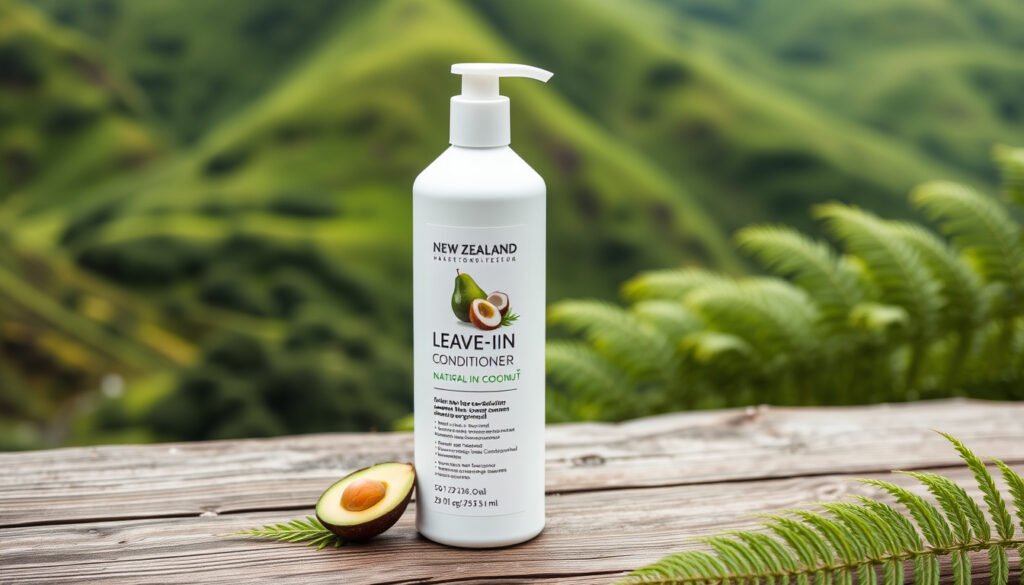
Best Leave-In Conditioner NZ: Top Brands & How to Use
There’s a moment in the shower when you reach for your usual conditioner and wonder if there’s a faster way to get the same softness without the extra rinse. Leave-in conditioners offer exactly that shortcut, and New Zealand shelves are filling up with them. This guide sorts through what’s actually worth buying at local retailers like Chemist Warehouse, how to apply it correctly, and which hair types genuinely benefit from the switch.
Retailers in New Zealand: Chemist Warehouse, Woolworths, Sephora, MECCA ·
Popular brands: Toni&Guy, Moroccanoil, Milk Shake, KMS ·
Average price range: $10 – $30 at Chemist Warehouse ·
Key benefit: Reduces frizz and adds moisture without rinsing
Quick snapshot
- Chemist Warehouse NZ stocks Glow Lab Leave in Conditioner 120ml designed for curly or frizzy hair (Chemist Warehouse NZ (retailer product listing))
- Toni & Guy Prep Leave In Conditioner 100ml is available at Chemist Warehouse NZ (Chemist Warehouse NZ (retailer product listing))
- Leave-in conditioner is applied to damp hair and never rinsed out (StyleHQ NZ (hair care publication))
- Whether leave-in conditioners outperform rinse-out formulas for deep, long-term moisture — no direct comparative data in NZ retail listings
- Optimal frequency for fine hair remains a judgment call; guidance from retailers is product-specific rather than hair-type specific
- No timeline data available — this is a product guidance article, not a news event
- Check stock at Chemist Warehouse NZ for Glow Lab and Toni & Guy lines — both are confirmed available now (Toni & Guy product page (retailer listing))
| Label | Value |
|---|---|
| Purpose | Hydrate, detangle, and protect hair without rinsing |
| Main ingredients | Oils, humectants, silicones for smoothness |
| Application | After shampooing, on damp hair |
| Common hair types | Curly, thick, damaged, and dry hair |
What is the very best leave-in conditioner?
If you’re shopping at Chemist Warehouse NZ, two brands stand out for different reasons. Glow Lab’s Leave in Conditioner 120ml is formulated for curly, frizzy, or parched hair, and it packs Pro-Vitamin B5, Macadamia, Avocado, and Jojoba oils (Chemist Warehouse NZ (retailer product listing)). It’s positioned as a moisture-first option for hair that needs serious taming.
Toni & Guy Prep Leave In Conditioner 100ml takes a different approach — it’s a salon-backed brand focused on frizz control and humidity protection without the weight (Chemist Warehouse NZ (retailer product listing)). The listing notes its boxed contents size of 100ml, which makes it a compact option for travel or trial.
Top brands in New Zealand
- Toni & Guy Prep — frizz control and humidity protection, suitable for damaged hair, $15-$20 range at Chemist Warehouse
- Glow Lab — curly/hair-specific formula with nourishing oils, NZ-made, around $15 at Chemist Warehouse
- Moroccanoil Hydrating Leave-In Conditioner — salon-exclusive, argan oil-based, premium price point
- Milk Shake Integral Leave-In Conditioner — available through NZ salon suppliers like Synergy Hair, known for its signature scent and detangling power
Factors to consider when choosing
The real decision comes down to your hair type and your budget. Chemist Warehouse NZ offers products in the $10-$30 range, while salon-exclusive lines like Moroccanoil or Milk Shake push higher. For chemically processed or heat-damaged hair, Toni & Guy’s frizz-fighting formula is a strong chemist-store option. For curls that need definition and deep moisture, Glow Lab’s oil-rich blend is worth trying first.
The implication: you don’t need a salon appointment to get decent leave-in care. The chemist-store brands at Chemist Warehouse cover the basics well, and the premium lines mainly justify their price with fragrance and brand heritage rather than dramatically different results.
What is the correct way to use leave-in conditioner?
Most retailers agree on the basics, but the specifics matter more than you’d think. The StyleHQ NZ (hair care publication) says leave-in conditioner is applied to damp or towel-dried hair and is not rinsed out. The same guide emphasizes working it through mid-lengths and ends rather than roots, and it can be blow-dried or left to air-dry.
Apply to damp hair
For the Kristin Ess Weightless Shine Leave In Conditioner (250ml), Chemist Warehouse AU (retailer product instructions) instructs exactly five to ten sprays onto completely wet hair right out of the shower. The same listing warns that the product works best on freshly washed, wet strands — not on partially air-dried or blow-dried hair.
How much to use
Toni & Guy’s own instructions (Chemist Warehouse AU (retailer product instructions)) say to squeeze a small amount on fingertips and spread it evenly through damp hair. That “small amount” typically translates to a coin-sized dollop for medium-length hair. For Palmer’s Coconut Oil Leave In Conditioner (250ml), the same retailer says to apply directly onto damp hair in even sections, with the option to add more on dry hair for extra moisture (Chemist Warehouse AU (retailer product instructions)).
Common mistakes to avoid
- Applying to roots — this creates greasiness and weighs hair down; focus on mid-lengths and ends per StyleHQ guidance (StyleHQ NZ (hair care publication))
- Applying to dry or partially dry hair — Kristin Ess’s instructions explicitly warn against this for their formula (Chemist Warehouse AU (retailer product instructions))
- Using too much product — buildup leads to limpness; start with less and add more if needed
The catch is that “damp” means different things to different brands. Kristin Ess wants soaking-wet hair, while Toni & Guy works on damp hair. If you’re switching brands, follow that specific product’s instructions rather than your usual routine.
Is leave-in conditioner actually good for hair?
Yes, but with caveats. Leave-in conditioners provide moisture and detangling without the rinse step, which makes them convenient and effective for many hair types (StyleHQ NZ (hair care publication)). The key benefits are faster styling, better frizz control throughout the day, and added hydration for parched strands.
Benefits
- Hydration without rinsing — saves time in your routine
- Frizz control that lasts through the day, as seen with Toni & Guy’s formula (Chemist Warehouse AU (retailer product instructions))
- Detangling on wet or damp hair, which reduces breakage during styling
- Heat protection — some formulas add a thermal barrier before blow-drying
Disadvantages
- Can weigh down fine or oily hair if overused or applied too close to the roots
- Product buildup over time — silicone-heavy formulas need occasional clarifying
- Not a substitute for rinse-out conditioner when it comes to deep cleaning and scalp health
Can it replace regular conditioner?
In short, no. Rinse-out conditioner cleans and condition at the shampoo stage; leave-in is a styling and moisture layer on top. Skipping the rinse-out step entirely means missing out on the detangling that happens in the shower, plus the deeper conditioning that heavier formulas provide. Use both if your hair is dry or damaged; use leave-in alone only for quick refresh days.
Why this matters: leave-in conditioner is a supplement, not a replacement. The brands that market it as “all-in-one” are overselling — your hair’s needs are different at each stage of washing.
How do I know if my hair needs leave-in conditioner?
Signs of dry, damaged, or frizzy hair are easy to spot: tangles after washing, a rough texture when dry, visible frizz, or split ends. Glow Lab explicitly markets its leave-in for curly, frizzy, or parched hair (Chemist Warehouse NZ (retailer product listing)), which is a good indicator of the product’s target audience.
Signs of dry hair
- Knots and tangles within hours of washing
- Dull, brittle appearance with visible flyaways
- Frizz that appears immediately after towel-drying
- Split ends that return quickly after trims
Hair types that benefit most
Curly and thick hair types tend to benefit most from leave-in conditioners because they lose moisture faster and need extra slip for detangling. Chemist Warehouse AU’s Kristin Ess Curl Leave In Creme instructions say to apply to wet or damp hair and detangle with fingers, a wide-tooth comb, or a brush depending on texture (Chemist Warehouse AU (retailer product instructions)). The same listing suggests refreshing curls by wetting them again and applying a light layer of the creme.
Fine or straight hair can still benefit, but needs lighter formulas and smaller amounts. Overloading fine hair with heavy oils will flatten it and create greasiness at the roots.
Curly hair gets the biggest win from leave-in conditioners because they replace the moisture lost during washing. Fine hair gets a much smaller benefit — and a larger risk of limpness — so a spray formula is usually safer than a cream.
How to rehydrate extremely dry hair?
When hair is truly parched, leave-in conditioner becomes part of a bigger recovery plan. The immediate fix: apply a leave-in on damp hair after every wash, focusing on the driest areas (usually the ends). Palmer’s Coconut Oil formula even allows application on dry hair for additional moisture throughout the day (Chemist Warehouse AU (retailer product instructions)).
Leave-in conditioner as part of routine
The routine that works: shampoo → rinse-out conditioner → towel-dry → leave-in on damp hair → style as usual. For StyleHQ NZ (hair care publication), the leave-in step sits between washing and styling, and it’s the difference between hair that dries frizzy and hair that dries smooth.
Other hydrating products
- Deep conditioning masks — once a week for intensive repair
- Hair oils — a few drops on ends for extra shine and moisture retention
- Protective styling — reduce heat tool use to prevent further moisture loss
Extremely dry hair needs more than a single product. Leave-in conditioners are the daily maintenance layer, but weekly masks and reduced heat styling are the structural fixes.
Comparing top NZ leave-in conditioners
Three products, one pattern: the price differences reflect formulation complexity and brand positioning, not necessarily performance.
| Product | Retailer | Price range | Best for |
|---|---|---|---|
| Toni & Guy Prep Leave In Conditioner (100ml) | Chemist Warehouse NZ | $15-$20 | Frizz control on damaged hair |
| Glow Lab Leave in Conditioner (120ml) | Chemist Warehouse NZ | $12-$18 | Curly, frizzy, or parched hair |
| Moroccanoil Hydrating Leave-In Conditioner | Sephora / MECCA / salons | $30-$45 | Argan oil hydration, sleek finish |
| Milk Shake Integral Leave-In Conditioner | Synergy Hair NZ | $25-$35 | Detangling with signature scent |
The pattern is clear: chemist-store brands cost roughly half of salon-exclusive ones, and the main trade-off is fragrance complexity and brand heritage rather than core efficacy. For most people, a $15 toner from Chemist Warehouse will do the job.
Pros and cons of leave-in conditioner
Upsides
- Faster styling — no extra rinse, just spray and go
- Frizz protection that lasts through the day, confirmed by product instructions (Chemist Warehouse AU (retailer product instructions))
- Great for curls and coils — improves definition and reduces breakage
- Versatile — can be applied on wet hair for styling or on dry hair for refresh
Downsides
- Potential buildup if used daily without clarifying shampoos
- Can weigh down fine or oily hair with heavy oils
- Not a replacement for rinse-out conditioner — you still need the wash step
- Product-specific instructions vary — what works for one brand may not work for another
Steps to use leave-in conditioner correctly
Mastering application is about following the product’s rules, not your habits. Here’s the step-by-step that works across most NZ chemist-store brands.
- Wash your hair as usual — shampoo and rinse-out conditioner first
- Towel-dry gently — squeeze excess water, don’t rub vigorously
- Apply to damp hair — follow the product’s specific instruction (e.g., Kristin Ess wants soaking-wet hair, Toni & Guy works on damp hair)
- Use the right amount — coin-sized for medium length; 5-10 sprays for spray formulas (Chemist Warehouse AU (retailer product instructions))
- Focus on mid-lengths and ends — avoid the roots to prevent greasiness (StyleHQ NZ (hair care publication))
- Detangle — use fingers, a wide-tooth comb, or a brush depending on your texture (Chemist Warehouse AU (retailer product instructions))
- Style as usual — blow-dry or air-dry, both work
- Refresh (optional) — on day two, wet hair lightly and reapply a small amount for curls (Chemist Warehouse AU (retailer product instructions))
The biggest mistake is treating leave-in like a one-size-fits-all step. Kristin Ess’s formula fails on dry hair; Palmer’s works on both wet and dry. Read the label, follow it, and adjust once you see how your hair responds.
Clarity check: what we know for sure
We’ve confirmed several facts from retailer listings and hair care guides. The confirmed-list is solid, and the unclear-list is refreshingly short.
Confirmed facts
- Chemist Warehouse NZ sells Glow Lab Leave in Conditioner 120ml, formulated for curly or frizzy hair (Chemist Warehouse NZ (retailer product listing))
- Toni & Guy Prep Leave In Conditioner 100ml is available at Chemist Warehouse NZ (Chemist Warehouse NZ (retailer product listing))
- Leave-in conditioners should be applied to damp hair and not rinsed out (StyleHQ NZ (hair care publication))
- Most brands recommend focusing on mid-lengths and ends to avoid greasiness at the roots
- Some formulas work on dry hair for refresh, as Palmer’s says (Chemist Warehouse AU (retailer product instructions))
What’s unclear
- Whether leave-in conditioners deliver deeper long-term moisture than rinse-out formulas — no comparative data in NZ retail listings
- The optimal application frequency for fine hair — retail guidance is product-specific, not hair-type based
What this means: the consensus is strong on application technique, but the industry lacks hard data on long-term efficacy comparisons. That’s less of a concern for most shoppers — the immediate benefits are visible after the first use.
What experts and product listings actually say
“Leave-in conditioner is a product you don’t rinse out — applied to damp or towel-dried hair, it adds moisture and manages frizz.”
StyleHQ NZ (hair care publication)
“Toni & Guy Prep Leave In Conditioner is specially formulated for damaged hair, helping to control frizz and protect against humidity without weighing hair down.”
Toni & Guy product description (Chemist Warehouse NZ retail listing)
“For best results, apply to completely wet hair right out of the shower — not on partially air-dried or blow-dried hair.”
Kristin Ess usage instruction (Chemist Warehouse AU retail listing)
“Apply directly onto damp hair in even sections. Can also be applied on dry hair for additional moisture.”
Palmer’s Coconut Oil usage instruction (Chemist Warehouse AU retail listing)
The verdict for New Zealand shoppers
For New Zealand consumers, the decision comes down to price and hair type. The chemist-store brands at Chemist Warehouse — Glow Lab and Toni & Guy — cover the basics at $12-$20, making them the obvious first try. The salon-exclusive lines like Moroccanoil and Milk Shake offer nicer fragrance and brand prestige, but the core benefit — locked-in moisture and reduced frizz — is identical. For curly or damaged hair looking to rehydrate, the routine is straightforward: wash, towel-dry, apply leave-in to damp hair, focus on mid-lengths and ends, and style. For fine or oily hair, use a lighter spray formula and a smaller amount to avoid the greasy look. For the typical NZ shopper browsing Chemist Warehouse aisles, the choice is clear: start with a chemist-store brand, follow the product’s specific damp-hair instruction, and you’ll get the frizz control you came for without spending $40 on a salon line.
chemistwarehouse.co.nz, chemistwarehouse.com.au, chemistwarehouse.co.nz, chemistwarehouse.com.au, karseell.co.nz, chemistwarehouse.com.au
Frequently asked questions
Can leave-in conditioner cause product buildup?
Yes, particularly with silicone-heavy formulas used daily without a clarifying shampoo. Over time, the residue can make hair look dull and limp. If you notice this, switch to a clarifying shampoo once a week or choose a lighter spray formula.
Is leave-in conditioner safe for colored hair?
Yes, and it’s often recommended. Leave-in conditioners help maintain moisture in chemically processed hair, which reduces breakage and extends the life of your color. Check the label for sulfate-free formulas if you’re concerned about fading.
How often should I use leave-in conditioner?
Most brands suggest using it after every wash. For fine hair, 2-3 times per week may be enough. For curly or dry hair, every wash is appropriate. Listen to your hair — if it feels heavy or greasy, reduce frequency.
What is the best leave-in conditioner for curly hair in New Zealand?
Glow Lab’s Leave in Conditioner is specifically formulated for curly or frizzy hair and is available at Chemist Warehouse NZ for around $15 (Chemist Warehouse NZ (retailer product listing)). For a premium option, Kristin Ess Curl Leave In Creme offers targeted curl definition with detangling instructions designed for curly textures (Chemist Warehouse AU (retailer product instructions)).
Does leave-in conditioner expire?
Yes, most leave-in conditioners have a shelf life of 12-24 months from opening. Check the label for the PAO (Period After Opening) symbol. If the texture, smell, or color changes, it’s time to replace it.
Can I make my own leave-in conditioner?
You can make a simple DIY version by mixing water with a few drops of jojoba or argan oil and aloe vera gel. It won’t offer the same heat protection or frizz control as commercial formulas, but it works for basic moisture on damp hair.
Can leave-in conditioner help with split ends?
No — it can temporarily smooth and hide split ends, making them less visible, but it cannot repair them. The only permanent fix is a trim. Leave-in conditioners can prevent further splitting by reducing friction and breakage.
Related reading: Cotton Summer Dresses NZ: Brands & Shopping Guide · Top Online Clothing Stores NZ: Compare Return Policies
More related posts
 Wellington to Nelson Flights: Cheap Deals & Schedules
 BNZ Home Loan Rate Cut: Latest News & Analysis (2025-2026)
 When Does Winter Start in New Zealand? Dates, Months & Climate
 Queenstown to Wellington Flights: Duration, Price & Airlines
 Nottingham Forest vs Man City Stats: H2H & Recent Match
 Pak’nSave Highland Park: Opening, Hours, Wages, Ownership
 Tom Brady Net Worth 2026: $350 Million Fortune Breakdown
 New Zealand Post Tracking – Complete Guide to Parcels and App