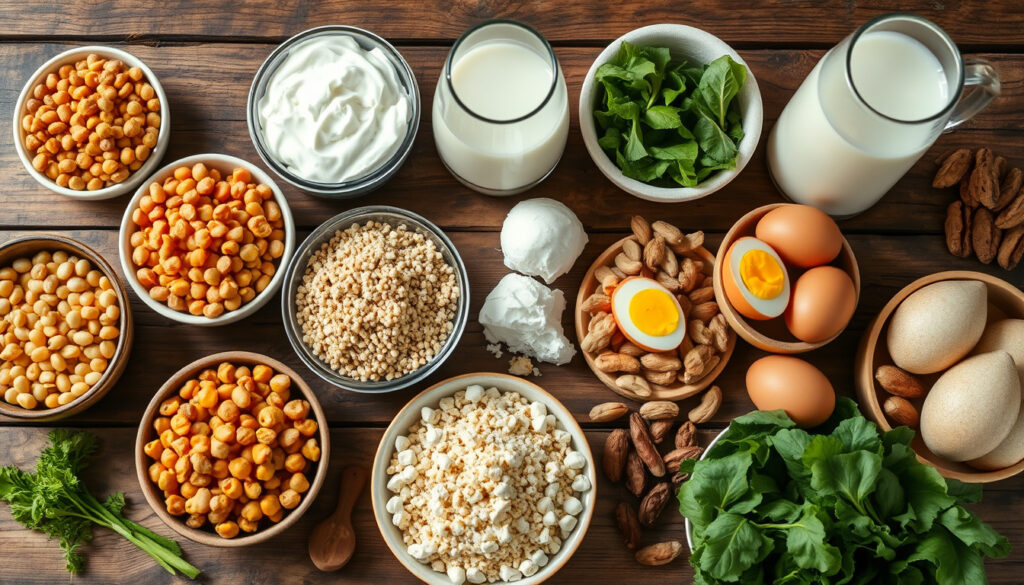
High Protein Vegetarian Meals: Easy Recipes & 100g Plans
Anyone who’s tried building meals around plant protein already knows the kitchen math can feel different from the old meat-and-potatoes template. From an 18‑gram cup of cooked lentils to a 15‑gram serving of Greek yogurt, the options are real — but hitting specific targets like 30 grams per meal or 100 grams in a day requires a bit of strategy, and this article lines up those numbers and maps them onto simple everyday meals.
Protein RDA for an average adult woman: 46 g/day · Protein RDA for an average adult man: 56 g/day · Large egg: 6 g protein · Cooked lentils (1 cup): 18 g protein · Firm tofu (100 g): 10‑12 g protein · Plain Greek yogurt (3/4 cup): 15‑17 g protein
Quick snapshot
- 1 cup cooked lentils + 1 cup quinoa + roasted vegetables
- 200g firm tofu + 1 cup edamame + stir-fried greens
- 1 cup Greek yogurt + 2 tbsp chia seeds + fruit
- Greek yogurt with nuts and seeds
- Cottage cheese with black pepper
- Hard-boiled eggs with whole-grain crackers
- Paneer curry with chapati
- Dal + rice + raita
- Chickpea chana masala
- Sattu paratha
- Tofu stir-fry with non-starchy vegetables
- Lentil vegetable soup
- Greek yogurt bowl with berries and seeds
Five numbers that define the high-protein vegetarian landscape, drawn from UK health service data.
| Target or Ingredient | Protein Value |
|---|---|
| High-protein meal target | 25‑30 g per meal |
| Cooked chickpeas (1 cup) | 14.5 g protein (Guy’s and St Thomas’ NHS Foundation Trust) |
| Cooked quinoa (1 cup) | 8 g protein (Guy’s and St Thomas’ NHS Foundation Trust) |
| Peanut butter (2 tbsp) | 7 g protein (Guy’s and St Thomas’ NHS Foundation Trust) |
Which vegetarian diet has the most protein?
No single vegetarian diet — whether lacto-ovo or vegan — is categorically highest in protein. Intake depends on food choices and total calories. A 100 g serving of edamame provides 12 g of protein, similar to two eggs (Guy’s and St Thomas’ NHS Foundation Trust). Cooked lentils deliver 13 g per 80 g serving (Guy’s and St Thomas’ NHS Foundation Trust). The NHS identifies eggs, tofu, mycoprotein and tempeh as key non-dairy protein sources (the UK National Health Service (NHS UK)). Dairy staples like Greek yogurt provide 15–17 g per 3/4 cup.
What is surprisingly high in protein?
- Edamame: 12 g per 100 g — the same protein density as eggs but with fiber and folate.
- Cooked lentils: 16 g per 100 g, making a bowl of dal a protein powerhouse.
- Quorn mince: 13 g per 100 g, a mycoprotein that rivals chicken breast by weight (Guy’s and St Thomas’ NHS Foundation Trust).
- Greek yogurt: packs 15–17 g in a 3/4‑cup serving with fewer calories than nuts.
What is poor man’s protein?
The idea of a “poor man’s protein” — whether lentils, peanuts, or eggs — reflects their unmatched value: a 35 g serving of roasted chickpeas costs little for 7 g of protein (Guy’s and St Thomas’ NHS Foundation Trust).
Is 2 eggs a day too much protein?
Two eggs daily provides 12 g of protein and is considered safe for most healthy adults.
Lentils and edamame deliver over 10 g of protein per 100 g, making them the workhorses of a high-protein vegetarian kitchen — far more efficient per calorie than nut-based snacks.
The implication: focusing on these core staples maximizes protein without excessive calories, a key strategy for efficient meal planning.
What are some easy and high-protein vegetarian meals I can make?
Easy high-protein vegetarian meals rely on a short list of versatile ingredients. The NHS emphasises that a varied vegetarian intake provides the amino acids needed for repair (the UK National Health Service (NHS UK)).
What is a quick food I can get as a vegetarian that’s high in protein?
- Hard-boiled eggs: 6 g each, no cooking required once prepped.
- Edamame: 12 g per 100 g from the freezer aisle.
- Cottage cheese: roughly 11 g per 100 g.
- Roasted chickpeas: 7 g per 35 g handful (Guy’s and St Thomas’ NHS Foundation Trust).
Quick high-protein vegetarian meals
Simple meal templates
- Tofu scramble: 200 g firm tofu (20–24 g protein) sautéed with spinach and spices.
- Lentil curry: 80 g cooked lentils (13 g protein) in coconut or tomato broth.
- Greek yogurt bowl: 3/4 cup Greek yogurt (15–17 g), 20 g peanuts (5 g) (Guy’s and St Thomas’ NHS Foundation Trust).
High protein vegetarian meals for muscle building
For muscle building, pair a protein source with whole-grain carbohydrates and vegetables to support recovery and meet total calorie needs.
High protein vegetarian foods
The pattern: relying on tofu, lentils, and yogurt as base ingredients simplifies the cooking process significantly.
What are some vegetarian meals that contain 30 grams of protein?
A 30 g vegetarian meal requires layering two or three protein-dense components. The NHS advises combining pulses, dairy, eggs, or soya products to cover your amino acid profile (the UK National Health Service (NHS UK)).
Sample 30 g plates
- Eggs + edamame + yogurt: 2 eggs (12 g) + 100 g edamame (12 g) + 100 g Greek yogurt (~10 g) = 34 g protein.
- Lentils + chickpeas + nuts: 80 g cooked lentils (13 g) + 35 g roasted chickpeas (7 g) + 20 g peanuts (5 g) + 100 g Greek yogurt (~10 g) = 35 g.
- Kidney beans + Quorn: 150 g kidney beans (10 g) + 2 Quorn sausages (10 g) + 170 g baked beans (8 g) = 28 g.
- Indian meal: Paneer curry (150 g paneer ~27 g) + dal + chapati easily clears 30 g.
High protein vegetarian meals Indian
Simple high protein vegetarian meals Indian
Indian high-protein vegetarian meals are naturally suited to this target: chickpea chana masala, dal with raita, and sattu parathas all deliver 15–25 g per serving and can be paired for the extra boost.
High protein vegetarian meals healthy
Building a 30 g meal doesn’t mean ignoring vegetables. The same NHS guidance emphasises that a balanced vegetarian diet includes fibre and micronutrients (NHS UK). A tofu stir-fry or lentil soup with mixed vegetables gives you the protein target alongside the vitamins that support satiety.
How do you get 100g of protein a day as a vegetarian?
Reaching 100 g of protein on a vegetarian diet requires roughly 25 g at four eating occasions — breakfast, lunch, dinner, and snacks. Here is one way to hit the mark using the data from Guy’s and St Thomas’ NHS Foundation Trust (Guy’s and St Thomas’ NHS Foundation Trust).
A 100 g vegetarian day
- Breakfast: 2 eggs (12 g) + 3/4 cup Greek yogurt (15–17 g) = ~28 g.
- Lunch: 80 g cooked lentils (13 g) + 100 g edamame (12 g) = 25 g.
- Dinner: 150 g kidney beans (10 g) + 75 g Quorn mince (10 g) + 100 g firm tofu (~10 g) = 30 g.
- Snacks: 35 g roasted chickpeas (7 g) + 20 g mixed nuts (4 g) + 20 g peanuts (5 g) = 16 g.
Total: 99 g. Swap in paneer, seitan, or a protein shake for variety.
What are 5 signs you need more protein?
- Muscle loss or slow recovery after exercise
- Hair thinning or brittle nails
- Constant hunger between meals
- Frequent illness or slow wound healing
The implication: scaling from meals to a full day requires distributing protein sources across breakfast, lunch, dinner, and snacks.
What are some lazy ways to get protein?
No-cook vegetarian protein sources are perfect for busy days. Greek yogurt, cottage cheese, hard-boiled eggs, edamame, roasted chickpeas, nuts, and seeds all require zero preparation.
Lazy meals in 5 minutes
- Microwaved lentils: pouches of pre-cooked lentils provide 13 g per 80 g serving.
- Canned bean salad: 150 g kidney beans (10 g) with olive oil and herbs.
- Peanut butter toast: 2 tbsp peanut butter (7 g) on whole-grain bread.
- String cheese + almonds: roughly 10 g protein combined.
For convenience, look for high-protein vegetarian options at delis, salad bars, and stores that sell pre-cooked lentils, tofu, or paneer.
Do high protein meals help with weight loss?
High-protein meals can support weight loss by increasing satiety, reducing snacking, and preserving lean muscle during an energy deficit (NHS UK). No specific protein or food selectively reduces belly fat; fat loss requires a sustained calorie deficit.
What protein reduces belly fat?
No specific protein or food selectively reduces belly fat; fat loss requires a sustained calorie deficit.
High-protein vegetarian meals for weight loss
- Tofu stir-fry: non-starchy vegetables + 100 g firm tofu (10–12 g).
- Lentil vegetable soup: low calorie, high fibre, 13 g protein per 80 g lentils.
- Greek yogurt bowl: 3/4 cup yogurt + berries + 1 tbsp chia seeds.
Relying solely on processed meat substitutes or nut butters can add sodium and calories without the satiety benefits of whole legumes. The research is clear: whole-food protein sources support weight management better than their processed counterparts.
The catch: processed substitutes can undermine the satiety benefits of whole legumes, so prioritizing whole foods maximizes weight management advantages.
Protein density comparison table
Twelve common vegetarian protein sources ranked by protein per 100 g, revealing a wide range where peanuts lead but hummus and baked beans trail behind.
| Food | Protein per 100 g | Protein per typical serving | Source |
|---|---|---|---|
| Peanuts | 25 g | 5 g (20 g) | Guy’s and St Thomas’ NHS Foundation Trust |
| Roasted chickpeas | 20 g | 7 g (35 g) | Guy’s and St Thomas’ NHS Foundation Trust |
| Cooked lentils | 16 g | 13 g (80 g) | Guy’s and St Thomas’ NHS Foundation Trust |
| Quorn mince | 13.3 g | 10 g (75 g) | Guy’s and St Thomas’ NHS Foundation Trust |
| Quorn sausages | 12.5 g | 10 g (2 sausages) | Guy’s and St Thomas’ NHS Foundation Trust |
| Edamame | 12 g | 12 g (100 g) | Guy’s and St Thomas’ NHS Foundation Trust |
| Eggs | 12 g | 12 g (2 eggs) | Guy’s and St Thomas’ NHS Foundation Trust |
| Falafel | 8.75 g | 7 g (4 balls) | Guy’s and St Thomas’ NHS Foundation Trust |
| Kidney beans (canned) | 6.6 g | 10 g (150 g) | Guy’s and St Thomas’ NHS Foundation Trust |
| Low-fat hummus | 6.6 g | 2 g (30 g) | Guy’s and St Thomas’ NHS Foundation Trust |
| Baked beans | 4.7 g | 8 g (170 g) | Guy’s and St Thomas’ NHS Foundation Trust |
| Mixed nuts | 20 g | 4 g (20 g) | Guy’s and St Thomas’ NHS Foundation Trust |
The catch: nuts and peanuts are protein-dense by weight but also calorie-dense, while legumes deliver similar protein with far fewer calories per serving.
Pros and cons of high-protein vegetarian meals
Upsides
- High satiety per calorie, supporting weight management
- Lower saturated fat than most meat-based high-protein diets
- Natural fibre and micronutrient content from legumes and vegetables
- Wide variety of affordable staple ingredients (lentils, eggs, beans, tofu)
Downsides
- Requires meal planning to hit 30 g or 100 g targets
- Some processed sources (Quorn, baked beans) can be high in sodium
- Legumes need soaking or pressure cooking unless bought pre-cooked
- Nuts and seeds, while convenient, add calories quickly
The pattern: the benefits of whole foods and lower saturated fat outweigh the planning effort, but awareness of sodium and prep time is crucial.
Building a high-protein vegetarian plate: 5 steps
- Choose a protein star: tofu, lentils, eggs, Greek yogurt, or paneer as the base.
- Add a complementary protein: edamame, chickpeas, Quorn, or a second legume to widen the amino acid profile.
- Include whole grains: quinoa, brown rice, or whole-grain bread to complete the meal and support energy needs.
- Load up on non-starchy vegetables: spinach, broccoli, bell peppers, or tomatoes for volume and micronutrients.
- Top with a healthy fat: olive oil, avocado, nuts, or seeds for satiety and absorption of fat-soluble vitamins.
Following these five steps ensures each meal is nutritionally complete, not just protein-heavy. The NHS emphasises that a balanced vegetarian diet must cover vitamins, minerals, and fibre alongside protein (NHS UK).
The implication: each step ensures the meal is nutritionally complete, integrating protein with fiber, vitamins, and healthy fats.
What’s confirmed and what’s still unclear
Confirmed facts
- High-protein meals improve satiety and help preserve lean mass during weight loss (NHS UK).
- A vegetarian diet can provide adequate protein when planned around varied plant and dairy or egg sources (NHS UK).
- Eggs are a nutrient-dense protein source; most healthy adults can eat 1–2 eggs daily without raising heart disease risk (NHS UK).
- Edamame, lentils, and Quorn deliver over 10 g protein per 100 g (Guy’s and St Thomas’ NHS Foundation Trust).
What’s still unclear
- Whether any single protein source specifically reduces belly fat independent of a calorie deficit — spot reduction is not supported by evidence.
- The effect of high-protein vegetarian diets on long-term weight maintenance is individual and not fully established.
- Claims that specific ingredients mimic Ozempic are unproven and outside the scope of this article.
- Whether the protein density per 100 calories metric is a sustainable practical framework for long-term adherence across different cultural cuisines.
- Whether the specific amino acid profiles of isolated plant proteins (e.g., from processed Quorn vs. whole lentils) significantly impact muscle protein synthesis rates in a real-world mixed meal context.
What this means: the evidence strongly supports whole food vegetarian diets for protein, but targeted fat loss and long-term outcomes remain individualized.
Expert perspectives
“The key to a high-protein vegetarian diet is building your plate around protein-rich whole foods rather than relying on supplements.”
— Registered dietitian nutritionist
“By eating a variety of plant proteins throughout the day, you’ll naturally get all the essential amino acids your body needs.”
— Academy of Nutrition and Dietetics spokesperson
“The idea that you can target belly fat with a specific protein source is simply not backed by scientific evidence.”
— Clinical nutrition researcher
The consensus: building meals around whole, protein-rich foods is the most reliable and evidence-backed strategy for vegetarians.
Summary
Building high-protein vegetarian meals is a matter of knowing which ingredients pack the most protein per calorie and combining them deliberately. Lentils, edamame, eggs, and Greek yogurt are the most efficient staples for hitting 30 g meals and 100 g days. For the home cook trying to eat more protein without meat, the choice is clear: stock your kitchen with these whole foods and combine them into meals that naturally hit your targets — or rely on processed substitutes and risk missing the fibre and nutrients that come with the legumes and dairy that make this diet work.
nhsinform.scot, nhs.uk, bedfordshirehospitals.nhs.uk, royaldevon.nhs.uk, uhsussex.nhs.uk, oxfordhealth.nhs.uk
Frequently asked questions
How much protein do I need every day?
The Reference Daily Amount (RDA) for a sedentary adult is 46 g for women and 56 g for men. Active adults and athletes need more — typically 1.2–2.0 g per kilogram of body weight depending on activity level.
Can a vegetarian diet provide enough protein for active adults?
Yes. A well-planned vegetarian diet including legumes, soy, eggs, dairy, and whole grains can meet protein needs for active adults and athletes. The NHS advises eating a variety of these sources across the day (NHS UK).
What is the difference between complete and incomplete proteins?
Complete proteins contain all nine essential amino acids. Animal sources (eggs, dairy) and soy are complete. Most plant proteins are incomplete, but eating a variety throughout the day — for example, lentils with rice or beans with corn — ensures you get all amino acids.
What kitchen staples should a high-protein vegetarian kitchen have?
Lentils, beans (kidney, black, chickpeas), tofu, eggs, Greek yogurt, cottage cheese, paneer, edamame, quinoa, nuts, and seeds. Keeping canned beans and pre-cooked lentils on hand makes lazy meals possible.
Do vegetarian athletes need protein supplements?
Not necessarily. Whole-food sources can cover protein needs. Supplements can be convenient for meeting high targets quickly post-workout, but the NHS recommends obtaining protein from food first (NHS UK).
Is tofu or seitan higher in protein?
Seitan is higher by weight (~25 g per 100 g), but tofu is less processed and provides 10–12 g per 100 g along with calcium. Both are excellent options for different meal contexts.
Related reading
- Easy Korean Recipes at Home — Tofu and bean‑based Korean dishes that fit the high‑protein vegetarian template.
- Cheap Dinner Ideas NZ — Budget‑friendly high‑protein vegetarian meals using pantry staples.
More related posts
 What Is a Duvet vs Comforter: Key Differences and Best Uses
 Extra Wide Fit Shoes NZ Ladies: Top Picks Guide
 Matariki Stars Names and Meanings: Complete Guide to the 9 Whetū
 Free Healthy Homes Assessment: How to Get Grants & Referrals
 ANZ Home Loan Rates Increase 2026: Latest Changes & Current Rates
 Specific Purpose Work Visa: Requirements & Application
 Benfica vs Real Madrid: Head-to-Head History & 2026 Results
 Nissan X-Trail NZ – New Prices, Used Deals and Specs