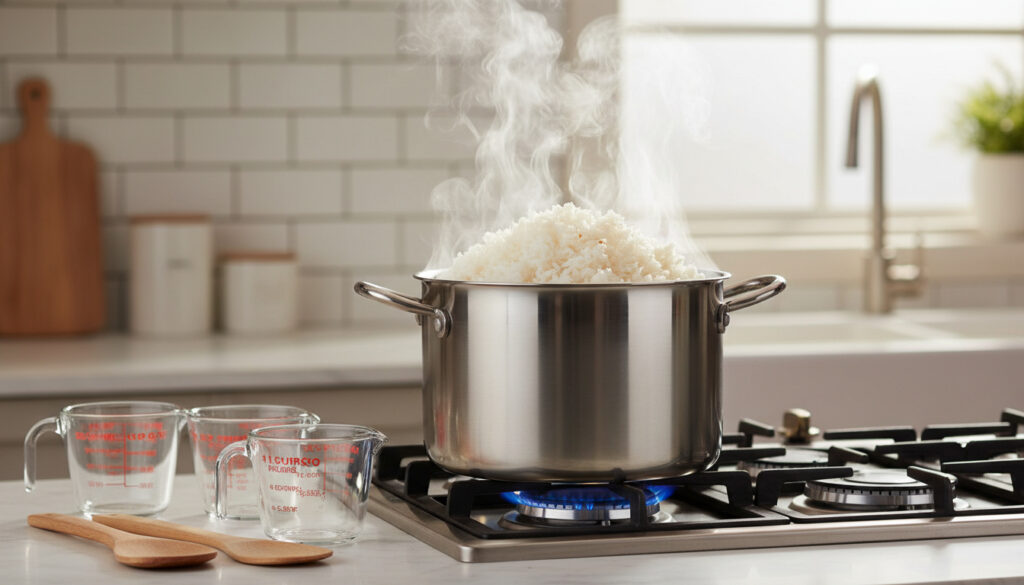
Cooking Rice in a Pot – Exact Ratios and Step-by-Step Guide
Cooking rice in a pot delivers control that automated appliances cannot match. The stovetop method allows precise adjustment of heat and timing, producing distinct textures ranging from sticky sushi rice to fluffy, separated basmati grains. Mastering this technique requires understanding specific ratios between water and rice, proper preparation steps, and the exact timing that prevents both mushiness and undercooked hardness.
Home cooks face multiple variables when preparing rice without dedicated cookers. Rice type dictates water requirements; jasmine and basmati demand different proportions than short-grain varieties. Heat intensity varies across stovetops, affecting simmer consistency. Lid tightness determines steam retention, directly influencing final moisture content.
This guide addresses the technical foundations of stovetop rice preparation. Each section examines specific aspects—ratios, timing, equipment, and troubleshooting—based on tested culinary methods rather than speculation.
What Is the Ideal Water to Rice Ratio for Pot Cooking?
Precision separates fluffy results from disappointment. The relationship between dry grain and liquid changes significantly based on rice variety and processing level.
1:1.5 to 1:2
15-20 mins
Rinse first
3 cups per 1 cup dry
- White long-grain requires 1.5 to 2 parts water per part rice for optimal expansion.
- Jasmine performs best at 1.25 to 1.5 parts water, though unrinsed grains need up to 1.75.
- Basmati demands exactly 1.5 parts water; additional liquid creates mushy texture.
- Brown rice requires substantial water—8 parts per 1 part grain—using the pasta method.
- Rinsing removes surface starch that causes gumminess during cooking.
- Resting off-heat completes the steaming process without additional energy input.
- Pot size affects evaporation rates; too small containers create uneven cooking.
| Rice Type | Water Ratio | Cook Time | Method Notes |
|---|---|---|---|
| White (long/medium/short) | 1:1.5 to 1:2 | 15 min + 10 min rest | Absorption method; oil prevents sticking |
| Jasmine (white) | 1:1.25 to 1:1.5 | 12-15 min + 5-10 min rest | Reduce water if rinsed; 1:1.75 if unrinsed |
| Basmati (white) | 1:1.5 | 12-15 min + 5-10 min rest | Precise ratio prevents mushiness |
| Brown (all varieties) | 1:8 | 25-30 min boil + 5 min rest | Pasta method, uncovered, then drain |
| Jasmine (unrinsed) | 1:1.75 | 12-15 min + rest | Compensate for retained starch water |
| White (standard) | 1:1.75 | 18 min total cycle | General absorption baseline |
Step-by-Step: How to Cook Rice Perfectly in a Pot
The absorption method dominates white rice preparation, while brown varieties respond better to pasta-style boiling. Each stage requires specific attention to temperature and lid position.
Preparation and Rinsing
Measure 1 cup rice per intended serving. Add optional salt at ½ teaspoon per cup and 1 teaspoon oil or butter per cup to prevent sticking and enhance flavor. Rinse under cold water in a fine mesh strainer for 20-30 seconds until water runs clear. This step removes excess starch that causes clumping.
Soaking and Setup
Optional soaking for 20-30 minutes promotes even cooking, particularly for basmati, though it remains unnecessary for most preparations. Combine rice, measured water, oil, and salt in a non-stick saucepan. Bring to boil over medium-high heat without covering initially.
Simmering and Finishing
Once boiling, reduce heat to medium-low and cover tightly. Simmer white rice for 12-20 minutes depending on variety—basmati and jasmine require 12-15 minutes, while other white rices need 15 minutes. Surface bubbling should appear before covering. Remove from heat while keeping the lid sealed for 5-10 minutes to steam. Fluff gently with a fork before serving.
Should You Rinse or Soak Rice Before Cooking in a Pot?
Preparation rituals significantly impact final texture. Decisions regarding rinsing and soaking depend on rice variety and desired outcome.
The Rinsing Process
Rinsing removes surface starch that creates gumminess during cooking. Use a fine mesh strainer under cold running water for 20-30 seconds until the water runs clear. Skip rinsing only when specific unrinsed basmati methods call for adjusted water ratios.
When Soaking Becomes Necessary
Soaking rinsed rice for 20-30 minutes aids even cooking, particularly for basmati varieties. This step remains optional for most white rice preparations and unnecessary for brown rice pasta methods.
Tips for Fluffy Rice and Common Stovetop Mistakes to Avoid
Texture failures typically stem from measurement errors, equipment issues, or procedural shortcuts. Understanding precise failure modes prevents repeated errors.
Excess water produces mushy grains, while insufficient liquid leaves hard centers. Use exact ratios and measure water carefully rather than estimating.
Stirring rice during cooking releases starch that creates stickiness. Add ingredients at the start, then leave the pot undisturbed until the resting phase completes.
Lightweight lids allow steam escape and cause overflow. Heavy, tight-fitting lids trap essential steam; avoid removing them during the simmering phase to check progress.
Common Failure Modes
Mushy or sticky results indicate too much water, over-stirring, loose lid placement, or inadequate rinsing. Undercooked hardness suggests insufficient water or heat set too low; check at minimum time and extend 1-2 minutes if needed. Burnt bases result from excessive heat or undersized pots; non-stick saucepans with medium-low heat prevent scorching. Uneven texture often signals old rice, incorrect variety-specific ratios, or skipped resting periods.
Best Pots and Variations Like Brown Rice
Equipment selection and variety adaptations determine success across different rice types. Brown rice requires fundamentally different hydration approaches than white varieties.
Non-stick saucepans in 2-3 quart sizes prevent burning for 1-2 cup rice portions. Heavy pots with tight-fitting heavy lids trap steam effectively; lightweight lids permit overflow and moisture loss. Brown rice demands the pasta method: boil 1 cup grain in 8 cups water uncovered for 25-30 minutes, drain, return to pot, cover off-heat for 5 minutes, then fluff. This approach prevents the scorching common in absorption attempts with bran-layer grains.
For additional brown rice techniques, see Fluffy Stovetop Brown Rice for Basmati, Jasmine & More.
How Long Does Each Stage of Pot Rice Cooking Take?
- Rinsing: 20-30 seconds under cold water until clear.
- Optional soaking: 20-30 minutes for even hydration.
- Boiling phase: Approximately 5 minutes to reach rolling boil.
- White rice simmer: 12-15 minutes for basmati/jasmine; 15 minutes for other white varieties.
- Resting period: 5-10 minutes off-heat with lid sealed.
- Brown rice boil: 25-30 minutes uncovered in abundant water.
What Research Confirms vs. What Requires Testing
| Established Information | Variables Requiring Adjustment |
|---|---|
| Exact water ratios by rice type (1:1.5 basmati, 1:1.25-1.5 jasmine, 1:8 brown pasta method) | Altitude adjustments affecting boiling points and evaporation rates |
| Rinsing removes surface starch essential for fluffiness | Age of rice grains affecting absorption timing |
| Resting 5-10 minutes off-heat completes steaming | Individual stove heat output variations requiring flame adjustment |
| Tight lids trap steam; loose lids cause overflow | Ambient humidity affecting final moisture content |
Why Stovetop Pot Cooking Remains Essential
Pot cooking preserves tactile control over texture that automated rice cookers standardize away. The method requires no specialized appliance investment, functioning with basic saucepans common to all kitchens. Cooks modify heat intensity in real-time based on visual cues—surface bubbling, steam intensity, and timing—rather than relying on pre-programmed sensors.
This approach accommodates regional rice varieties with distinct hydration needs. Basmati from the Himalayas, jasmine from Thailand, and short-grain Japanese rices respond differently to water and heat; pot cooking allows immediate adjustment for these differences without machine reprogramming.
Expert Sources for Stovetop Rice Techniques
Contemporary rice cooking methodology derives from extensive testing across culinary traditions. Mediterranean and South Asian cooking methods contribute significantly to modern Western stovetop techniques.
“For basmati, the 1:1.5 ratio proves precise for light, fluffy results. Avoid adding more water to prevent mushiness.”
— Mediterranean Dish Test Kitchen
“The pasta method for brown rice—boiling in abundant water like pasta—prevents scorching and yields consistent results across jasmine, basmati, and long-grain brown varieties.”
— Vanilla and Bean Culinary Testing
Detailed basmati-specific guidance appears in How to Cook Basmati Rice.
Final Recommendations for Perfect Pot-Cooked Rice
Success requires precise ratio adherence, proper equipment, and disciplined timing. Select water measurements based on specific rice variety rather than generic guidelines. Use heavy, tight-lidded pots sized appropriately for the quantity—2-3 quarts for 1-2 cups dry rice. Rinse thoroughly, boil uncovered initially, then simmer covered without stirring. Rest always completes the process; never skip the final 5-10 minute steaming phase off-heat. For brown rice varieties, abandon the absorption method entirely in favor of the pasta-style boil-and-drain approach.
Frequently Asked Questions
Should you stir rice while cooking?
No. Avoid stirring during the cooking process. Agitation releases starch that creates gummy, sticky texture rather than fluffy, separate grains.
How to store leftover rice from pot?
Cool completely, then store in airtight containers. Refrigerate up to 5 days or freeze up to 6 months. Reheat covered with 1-2 tablespoons water or a damp towel to restore moisture.
Can you cook brown rice using the same absorption method as white rice?
No. Brown rice requires the pasta method with a 1:8 water ratio and 25-30 minute uncovered boil, then draining. The absorption method risks scorching due to the bran layer.
What causes rice to overflow during cooking?
Loose lids, excessive heat, or undersized pots cause overflow. Use tight-fitting heavy lids on appropriately sized pots to contain steam and bubbling.
Is soaking always necessary before cooking?
No. Soaking remains optional for most white rice. It benefits basmati varieties by promoting even cooking but proves unnecessary for standard preparations or brown rice pasta methods.
How can you tell when rice is fully cooked?
Surface bubbling and foaming appears before covering. At minimum suggested time, check grain texture—centers should yield without hardness. Extend 1-2 minutes if needed.
Does pot material affect rice cooking outcomes?
Yes. Non-stick saucepans prevent burning at the base. Heavy pots with tight lids trap steam better than lightweight alternatives, ensuring even moisture distribution.
Why does rice become sticky instead of fluffy?
Excess water, over-stirring, loose lids permitting steam escape, or inadequate rinsing leave surface starch that creates sticky, clumped grains rather than separated, fluffy results.
More related posts
 What is a Keynote Address? Purpose, Length, and How to Write One
 Glassons Discount Code NZ – Verified Deals and Savings Tips
 Christmas Crack Recipe NZ: Salada Toffee With Dark Chocolate
 High Commission of India Auckland: Services, Address, Contact
 The Perks of Being a Wallflower: Complete Guide to Book and Movie
 Where is Philip Polkinghorne Now? Trial Outcome & Update
 Mitre 10 Online Shopping: Clearance, App, Furniture Guide
 Slow Cooked Pork Shoulder: Oven, Slow Cooker & Greek-Style Guide